
Discover the Ancient Marvel of Sigiriya: Top Things to Do
The Lion Rock is only the start. Here’s how to spend a day around Sigiriya — the fortress itself, the quieter Pidurangala sunrise, and the wildlife just down the road.
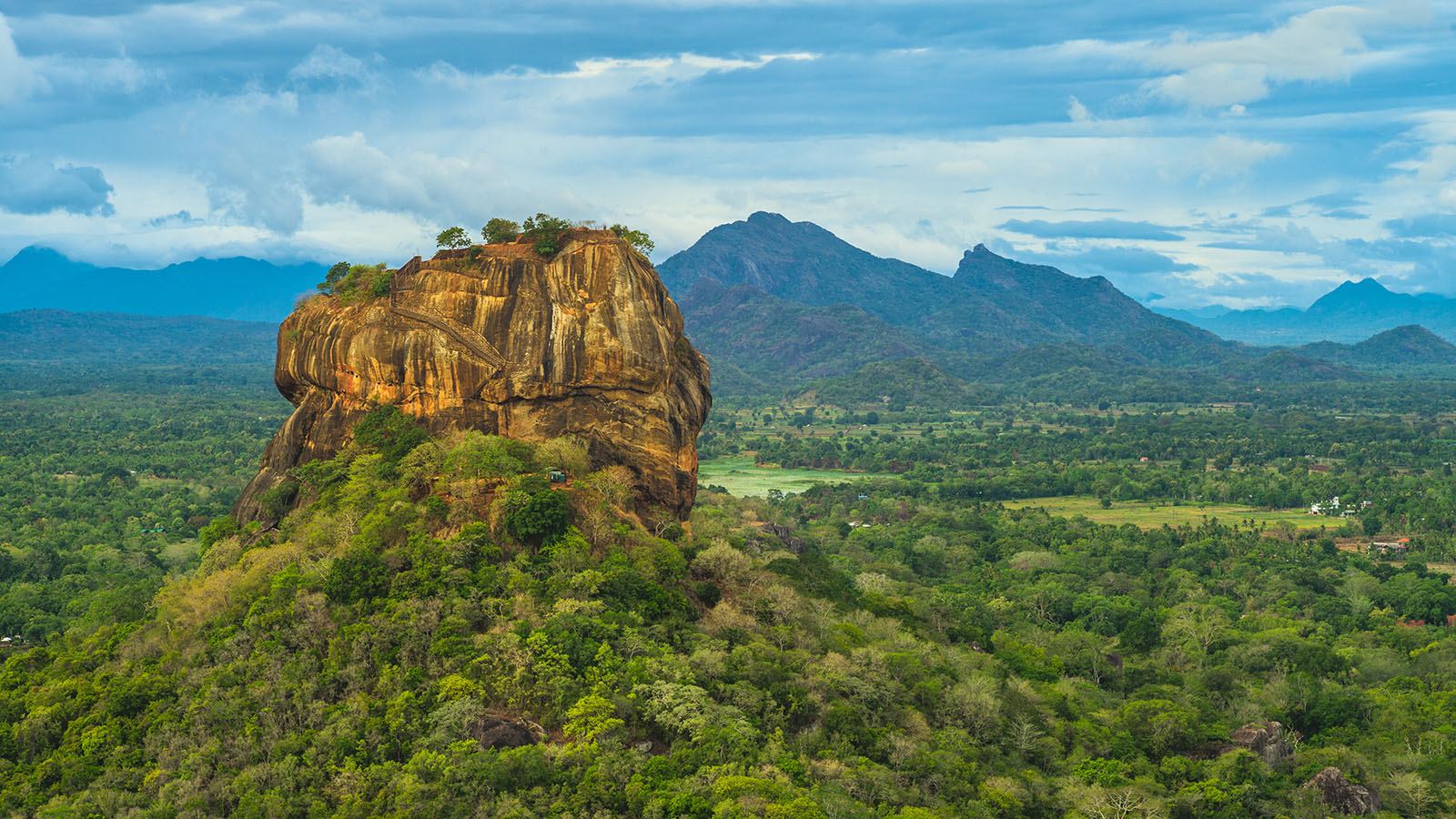
Sigiriya, or the “Lion Rock,” is one of Sri Lanka’s biggest historical and cultural icons. Built by King Kashyapa in the 5th century, this ancient rock fortress holds UNESCO World Heritage status and combines fabulous frescoes, meticulously planned gardens, and a view worth the climb. It’s a stop that rewards the history buff, the nature lover, and the adventure seeker in equal measure.
Sigiriya Rock Fortress
Sigiriya Rock Fortress is a genuine feat of engineering, where nature and ancient architecture blend almost seamlessly. The fortress rises nearly 200 metres above the surrounding jungle, with staircases carved directly into the rock leading up to panoramic views of the landscape below.
- The Lion’s Gate — the main entrance, flanked by huge carved lion paws that once led into a full lion’s-head structure, since worn away by erosion.
- Frescoes — ancient paintings halfway up the rock, still vividly coloured, depicting the heavenly maidens of the era.
- Mirror Wall — a polished wall carrying centuries-old visitor graffiti, a uniquely personal thread through Sigiriya’s history.
- Summit Gardens — the remains of royal gardens at the top, with rock-carved cisterns and terraces overlooking the plains.

Go early. An early-morning start beats the heat and the crowds, and gives you time to properly explore each section without feeling rushed.
Pidurangala Rock
For the same sweeping views with a fraction of the crowd, head to Pidurangala Rock nearby — popular for its sunrise and sunset views straight across to Sigiriya Rock Fortress.
- Hiking time — roughly 20–30 minutes; an easy start with some rock scrambling near the top.
- Views — a panoramic outlook over Sigiriya Rock, set amid dense forest and rolling hills.
- Ancient temple — the path up passes a temple housing a reclining Buddha statue.

Bring water and proper footwear — the climb turns slippery in parts.
Sigiriya Museum
A worthwhile stop on the way to or from the fortress, the Sigiriya Museum houses pottery, jewellery, and tools that reveal daily life and culture under King Kashyapa’s rule.
- Exhibits & artefacts — potsherds, tools, and artwork unearthed during excavations.
- Information boards — pictorial context on Sigiriya’s history and construction.
- Virtual reconstructions — interactive 3D models of the fortress in its prime.
Budget 30 minutes here — it sets up useful context before you visit the fortress itself.
Village tours around Sigiriya
Local tour operators run village tours that offer a genuine window into traditional Sri Lankan rural life — farming, cooking, and fishing, done the old way.
- Bullock cart rides — a charming, traditional way to explore the village.
- Canoe rides — a tranquil paddle across a lake surrounded by greenery and occasional wildlife.
- Cooking demonstrations — from grinding spices to cooking in clay pots over an open fire.
Family-friendly — a good fit if you’re travelling with kids and want a meaningful cultural connection.
Minneriya National Park elephant safari
A short drive from Sigiriya, Minneriya National Park is best known for its large gatherings of wild elephants — a genuinely exciting wildlife experience.
- The Gathering — from July to September, herds as large as 300 elephants gather at Minneriya Reservoir, one of the largest wild elephant gatherings in the world.
- Beyond elephants — spotted deer, wild boar, and a wide range of bird species.
- The safari — roughly 2–3 hours by 4×4 jeep, with a guide sharing context on the park’s ecosystem.

Go in the late afternoon — that’s when animals are most active near the water sources.
One driver, the whole Cultural Triangle.
Message us your dates and we’ll arrange a fixed-price transfer or full-day charter to Sigiriya, Pidurangala, and Minneriya.
Leave a Reply